My Story
Hi! I'm Matthew Courtney.
I want to show you how to leverage the power of research and data to drive continuous improvement in your organization.
I'll never forget the first time I unlocked the door to my own classroom. It was a sweltering July afternoon at Mayfield Elementary. A custodian handed me a brass key, pointed me down the hall, and I found a freshly painted blue door with "Mr. Courtney – Music" on the wall beside it.
At the time, I thought I was beginning a career in teaching.
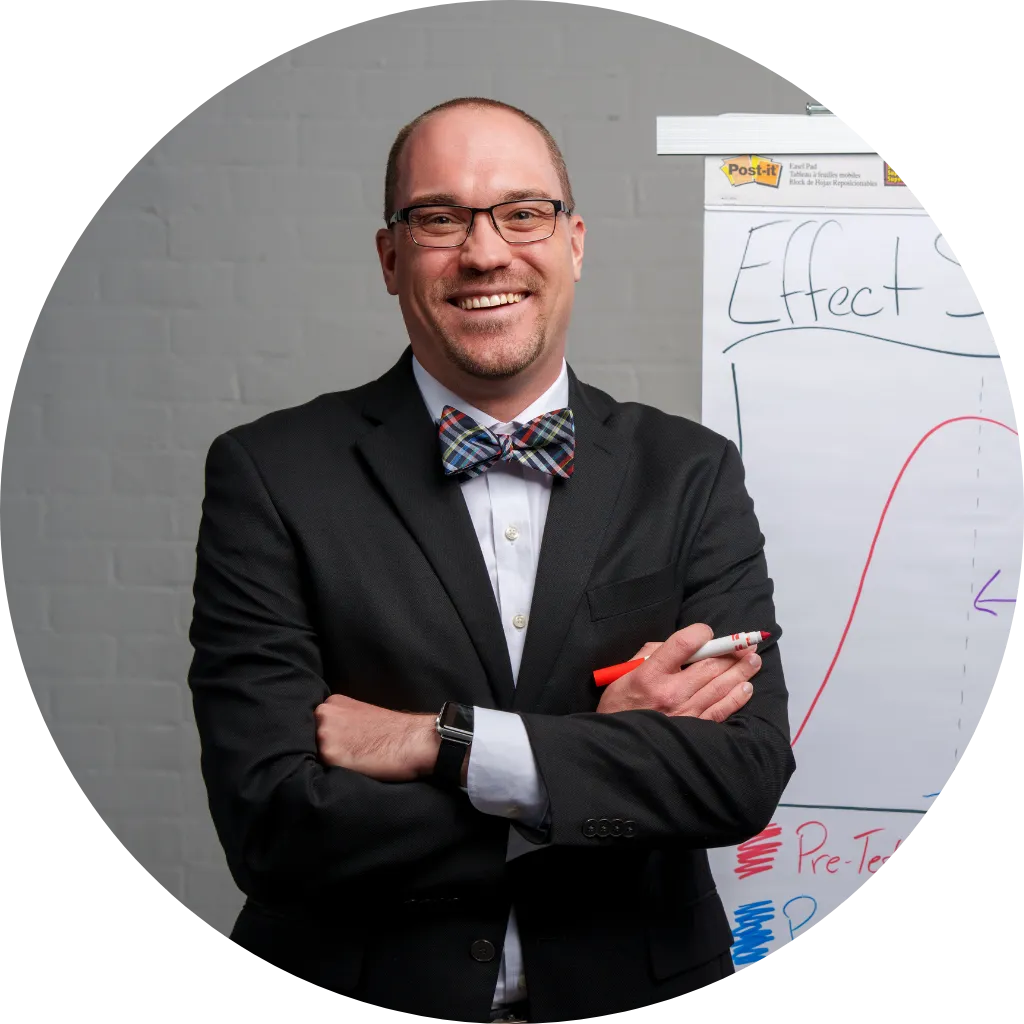
Looking back, I was beginning a lifelong journey of learning how people, schools, and organizations grow.
Some of my greatest teachers were my students. Jonathan, who had attended so many schools he still hadn't learned the alphabet. Sammie, who often came to school hungry but never lost her curiosity. Darrell, whose sense of humor could light up an entire classroom. Jocelyn, who quietly reminded me what compassion looks like. Years later, I watched former students become teachers, musicians, and leaders in their own communities.
Those experiences changed me.
They also left me with a question that has shaped every step of my career:
How do good people make better decisions for the people they serve?
That question led me beyond the classroom into nonprofit leadership, state government, research, higher education, and consulting. Along the way, I discovered something surprising. Whether I was working with a school district, a nonprofit, or a government agency, the challenges were remarkably similar. Leaders cared deeply about their people and their mission. They simply had to make difficult decisions with limited time, limited resources, and incomplete information.
That's why I do this work.
I don't believe organizations struggle because people lack passion or commitment. I believe they struggle because leadership is hard. Good decisions require more than experience or instinct alone. They require thoughtful questions, meaningful evidence, and systems that help people learn, adapt, and improve over time.
Today, I help leaders build those systems.
Sometimes that means facilitating a strategic planning process. Sometimes it's evaluating a program, coaching a leadership team, speaking at a conference, or helping educators translate research into practice. The setting changes, but the purpose never does: helping leaders make better decisions with confidence.
If there's one thing I hope people take away from my work, it's this: You don't have to guess your way through your biggest challenges.
The answers may not always be simple, but they're rarely out of reach. By asking better questions, learning from evidence, and staying curious, we can build organizations that don't just react to problems—they learn from them.
That's the work I love, and I'd be honored to be part of your journey.